
Sally Magnusson: Myth, Memory and Learning to Trust Your Imagination
Episode 3: A Conversation with Sally Magnusson
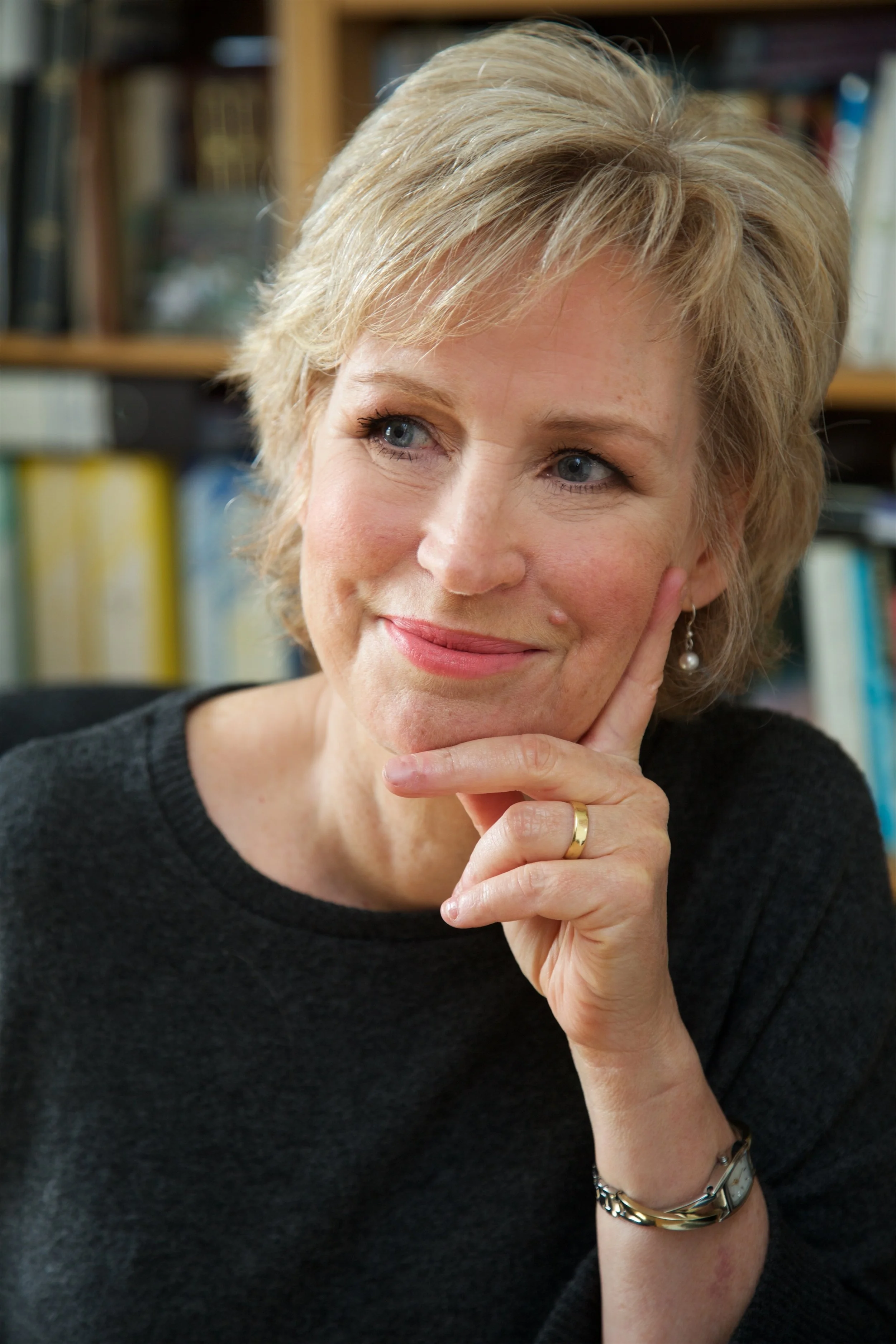
Sally Magnusson
When I spoke to Sally Magnusson for the How You Find Your Voice podcast, she was in that strange moment just before publication. The Shapeshifter’s Daughter had not even arrived in physical form yet. A few early reviews had come in and she was relieved, and quietly pleased, that the book seemed to be finding its audience.
We began with Norse mythology. Sally talked about how different these stories feel from Greek myths: colder, harsher, filled with winter creatures and elemental forces. She had long admired what writers like Madeline Miller and Natalie Haynes had done with classical retellings, and had kept wondering why no one had done the same for the Norse world.
When she returned to the sources, she saw why. Most of the female figures were thinly drawn: wives, decorations, beautiful but passive. Except for Hel, the daughter of Loki, cast into the underworld and made ruler of the dead. Hel fascinated her.
Over time, Hel had been reshaped by Christian and Victorian ideas about punishment and decay. Sally wanted to step inside her story instead, to imagine what it might feel like to be exiled, assigned responsibility for death, and turned into a symbol of fear.
Rather than retelling the myth from the outside, she wrote from inside Hel’s consciousness. Alongside this runs the story of Helen Firth in modern Orkney, returning to childhood memories as she faces terminal illness. The two narratives begin to mirror each other and speak to questions about ageing, loss and meaning.
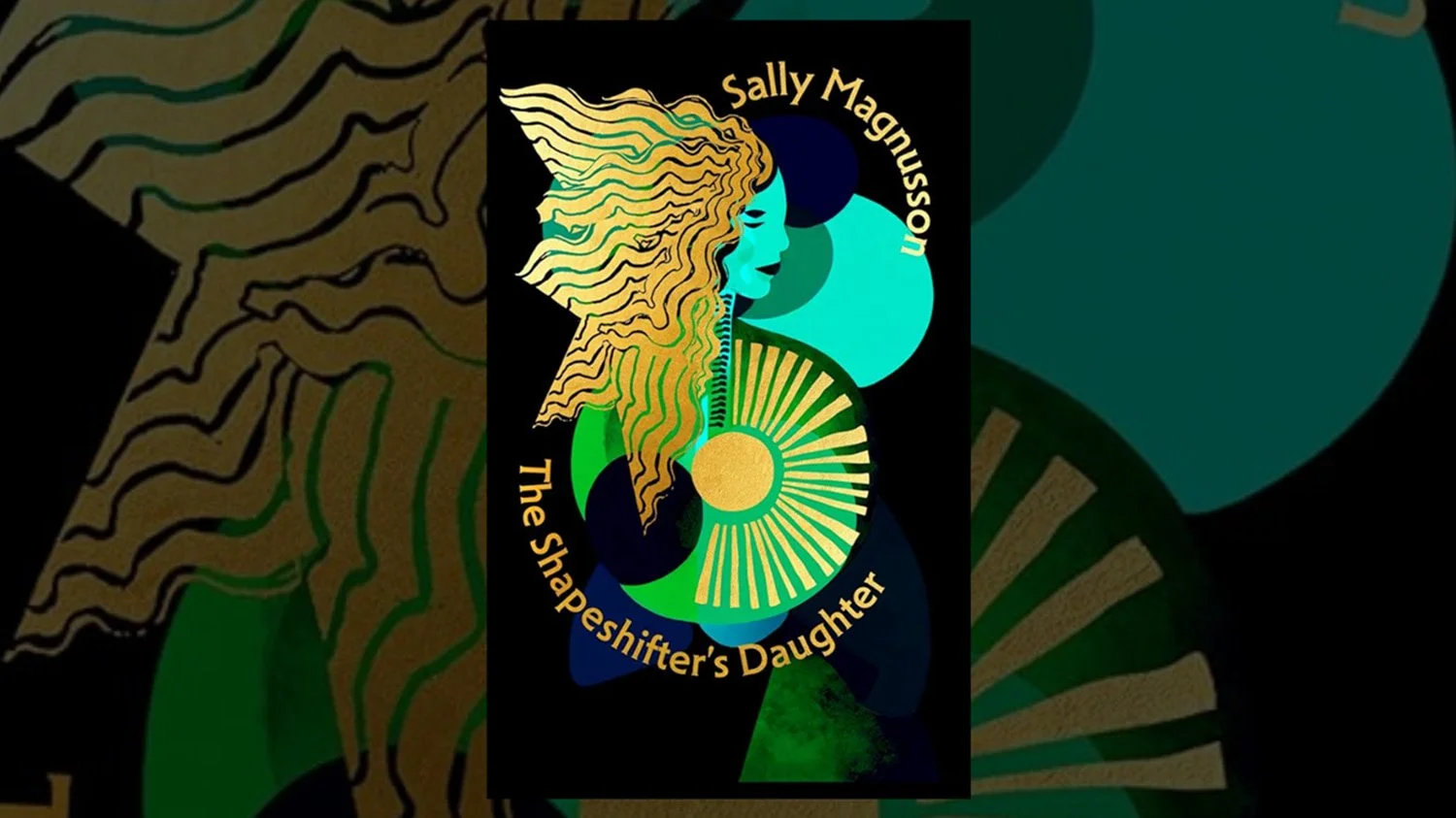
The Shapeshifter’s Daughter, by Sally Magnusson
We talked about memory, something that runs through all of Sally’s work. As she spoke, she began to realise aloud that memory might be the thread connecting her memoir about her mother’s dementia, her historical novels, and this book. Watching her contemplate this was one of my favourite moments of the conversation.
Storytelling, she said, has always been central to her life. Her father, Magnus Magnusson, translated Icelandic sagas. He was a historian and journalist - her mother was a journalist too - and it seems that stories were the lifeblood of her family. They were central to Sally’s life as she had her own family too. Even during the years of raising five children and working in broadcasting, she kept writing whatever she could, because she needed to.
Sally didn’t start writing novels until later. At first, she approached fiction as she had always approached non-fiction, clinging to research and factual structure. At first her writing resembled a documentary, more than a novel, but things clicked when she learned to inhabit her characters fully; to write from inside their experience rather than around it.
I love how Sally describes this shift as jumping off a tree and seeing if she could fly. She began to trust her imagination instead of relying solely on research and verification. Over time, she allowed herself more freedom, blending realism, myth and folklore, as in The Shapeshifter’s Daughter.
Sally also manages to blend the dark and the light in this book. As she points out, you cannot write about death without acknowledging grief, but it is ultimately a celebration of life.
Talking to her reminded me that finding your voice is rarely sudden. It is built slowly, through experience, attention, failure, persistence and trust. There isn’t a shelf life on creativity, which I find reassuring and exciting.